

Pouvez-vous dormir pour réussir ? Le sommeil des PDG dévoilé
La « culture de l'hyperproductivité » a longtemps glorifié les nuits blanches comme un insigne d'honneur pour les entrepreneurs ambitieux. Nous avons tous entendu des histoires de personnes très performantes qui ne dorment que quelques heures par nuit, ce qui renforce l'idée que moins de sommeil est synonyme de plus de succès. Mais un nombre croissant de leaders mondiaux les plus influents remettent en question ce mythe, révélant que leur arme secrète n'est pas un emploi du temps chargé, mais une routine de sommeil disciplinée de PDG.
De Jeff Bezos à Arianna Huffington, les dirigeants sont aujourd'hui de fervents défenseurs d'un repos de qualité, le considérant comme un outil non négociable pour atteindre des performances optimales. Ils comprennent que la prise de décision rapide, la créativité et la résilience émotionnelle sont directement liées à ce qui se passe lorsque les lumières s'éteignent. Mais à quoi ressemblent réellement ces routines ? Et surtout, que pouvons-nous en apprendre ?
Découvrons les habitudes de sommeil des personnes qui réussissent dont tout le monde parle.
Nous examinerons la science derrière la productivité et le sommeil, démystifierons certaines idées reçues, et vous montrerons comment construire votre propre routine pour réussir, sans avoir besoin d'un titre de direction.
Pourquoi les PDG sont obsédés par le sommeil
Pendant longtemps, la croyance dominante était que les personnes très performantes pouvaient réussir sans prioriser le repos.
Cependant, comme le note l'expert en sommeil Martin Seeley, « la recherche montre que les personnes qui réussissent dorment souvent plus que les autres. » Le manque de sommeil ne vous rend pas seulement fatigué ; il altère activement les fonctions cognitives essentielles au leadership.
Selon une étude de la Harvard Medical School, le manque de sommeil nuit à la concentration, à la mémoire et au raisonnement logique. Pour un PDG, cela peut se traduire par un mauvais jugement, une réduction de l'innovation et des erreurs coûteuses.
Comme le dit Arianna Huffington, fondatrice du Huffington Post, le sommeil n'est pas une option ; c'est « le fondement d'une vie saine, productive et heureuse. » Après s'être effondrée d'épuisement, elle a complètement revu son approche, préconisant maintenant sept à huit heures de sommeil par nuit.
Le coût économique est également stupéfiant.
Le manque de sommeil est estimé à plus de 40 milliards de livres sterling par an au Royaume-Uni (RAND), en raison des accidents du travail et de la réduction de la productivité. RAND estime qu'augmenter le sommeil nocturne de moins de six heures à six ou sept heures pourrait apporter 24 milliards de livres sterling supplémentaires à l'économie britannique. Pour les dirigeants, le message est clair : dormir pour réussir n'est pas seulement une jolie phrase ; c'est un impératif stratégique.
Voir aussi - Réveillez-vous au bien-être : 12 avantages inattendus d'un sommeil suffisant
Les habitudes de sommeil des plus performants
Bien qu'il n'existe pas d'approche unique, les routines de sommeil des meilleurs PDG révèlent des thèmes communs axés sur la régularité, la qualité et la préparation.
Voici un aperçu de la façon dont dorment les personnes qui réussissent :
- Jeff Bezos (fondateur d'Amazon) : Il privilégie huit heures de sommeil, soulignant leur importance pour une prise de décision de haute qualité. Il évite les réunions matinales pour commencer sa journée en douceur.
- Bill Gates (co-fondateur de Microsoft) : Il vise sept heures par nuit pour rester « vif, créatif et de bonne humeur », un changement significatif par rapport à ses débuts où il passait des nuits blanches.
- Arianna Huffington (co-fondatrice du Huffington Post) : Fervente défenseure de 7 à 8 heures de sommeil, elle a une règle stricte « pas d'appareils électroniques dans la chambre » et se détend avec un bain chaud et un livre physique.
- Tim Cook (PDG d'Apple) : Il dort sept heures de manière constante, se couchant à 21h30 et se levant à 3h45. Cet horaire strict est la pierre angulaire de sa stratégie de sommeil matinal.
- Oprah Winfrey : Elle pratique la méditation deux fois par jour pour se détendre et s'assure d'avoir huit heures complètes de repos.
Ces leaders prouvent que l'optimisation du sommeil consiste moins à dormir moins qu'à dormir plus intelligemment.
Voir aussi - Le nouveau luxe ? Être bien reposé
La science derrière la productivité et le repos
Pourquoi le sommeil est-il si crucial pour la haute performance ?
Pendant la nuit, votre cerveau est tout sauf inactif. Il passe par différentes phases, notamment le sommeil profond et le sommeil paradoxal (REM), tous deux essentiels à la fonction cognitive.
- Sommeil profond : C'est l'étape réparatrice où le corps se répare physiquement, reconstruit les muscles et renforce le système immunitaire. Il est essentiel pour se réveiller frais et énergique.
- Sommeil paradoxal (REM) : Cette étape est cruciale pour la régulation émotionnelle et la consolidation de la mémoire. Pendant le sommeil paradoxal, le cerveau traite les événements et les émotions de la journée, ce qui améliore la créativité et les compétences en résolution de problèmes. La recherche montre que cette étape peut augmenter la « flexibilité de la pensée », permettant l'émergence de solutions innovantes.
L'expert en sommeil Martin Seeley explique que le manque de sommeil nuit à la prise de décision, à la mémoire et à la créativité.
En fait, une étude de la National Library of Medicine a révélé que les dirigeants d'entreprise subissent une diminution de 5 à 10 % de leurs fonctions exécutives pour chaque 45 minutes de dette de sommeil accumulée. Lorsque des décisions importantes doivent être prises, obtenir suffisamment de repos de qualité est un outil puissant.

Qu'est-ce qui fait vraiment la différence ? Créer votre routine de « sommeil pour le succès »
La bonne nouvelle, c'est que vous n'avez pas besoin d'un chef personnel ou d'un jet privé pour adopter les habitudes qui mènent au succès. Les principes d'une routine de sommeil de PDG sont accessibles à tous. Voici ce que font les PDG avant de dormir et comment vous pouvez mettre en œuvre ces stratégies vous-même.
- Respectez un horaire cohérent : Aller au lit et se lever à la même heure chaque jour, même le week-end, aide à réguler l'horloge interne de votre corps, ou rythme circadien. Cette régularité facilite l'endormissement et le réveil naturels.
- Créez un rituel de « décélération » : Les personnes très performantes ne se contentent pas de sauter au lit. Elles ont une période tampon pour signaler à leur cerveau qu'il est temps de se détendre. Cela peut inclure la lecture d'un livre physique (pas un écran), la tenue d'un journal ou des étirements légers. Le PDG de Buffer, Joel Gascoigne, fait une promenade de 20 minutes pour évaluer sa journée et se déconnecter du travail.
- Déconnectez-vous complètement : La lumière bleue des téléphones, des tablettes et des télévisions supprime la mélatonine, l'hormone qui indique à votre corps qu'il est temps de dormir. Faites de votre chambre une zone sans technologie. Arianna Huffington interdit tous les appareils électroniques dans sa chambre, et c'est une habitude qui mérite d'être copiée.
- Optimisez votre environnement : Une pièce fraîche, sombre et silencieuse est essentielle pour un sommeil de qualité. La température idéale est d'environ 18°C (65°F). Investir dans des rideaux occultants ou une machine à bruit blanc peut faire une différence significative. Une bonne literie est également essentielle ; une literie respirante de Putnam's peut aider à gérer la température, vous assurant de rester confortable toute la nuit.
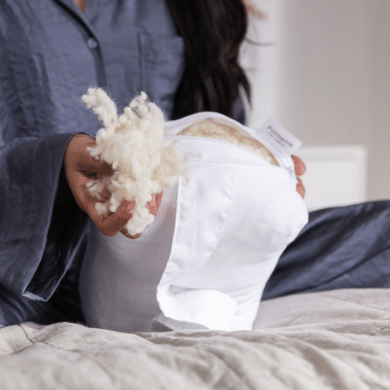
- Privilégiez le confort physique : L'inconfort est un perturbateur majeur du sommeil. Un bon alignement et une bonne posture de la colonne vertébrale sont tout aussi importants la nuit que pendant la journée. Un oreiller de soutien, comme ceux de Putnam's, aide à maintenir une colonne vertébrale neutre, réduisant la douleur et vous évitant de vous retourner. Pour ceux qui ont besoin d'un soutien supplémentaire, les produits d'élévation comme les cales de lit peuvent améliorer la circulation de l'air et réduire le ronflement.
Enfin, si votre esprit s'emballe, notez vos pensées. L'ancien PDG d'American Express, Kenneth Chenault, note trois choses qu'il veut accomplir le lendemain. Ce simple geste peut vous vider l'esprit et vous éviter que les soucis ne vous tiennent éveillé.
Voir aussi - Le guide ultime pour améliorer votre sommeil avec la gamme de confort Putnam's
Foire aux questions (FAQ)
Combien d'heures dorment les PDG ?
Alors que certains, comme Donald Trump, prétendent ne dormir que 3 à 4 heures, la plupart des PDG qui réussissent, comme Jeff Bezos, Bill Gates et Tim Cook, visent 7 à 8 heures par nuit. La tendance s'éloigne du manque de sommeil pour privilégier un repos de qualité.
Pourquoi le sommeil est-il le secret du succès ?
Le sommeil est essentiel aux fonctions cognitives comme la prise de décision, la créativité et la régulation émotionnelle. Un leader bien reposé est plus concentré, innovant et résilient. Comme le montrent les recherches, le manque de sommeil nuit directement à la productivité et peut entraîner de mauvais jugements.
Les routines matinales améliorent-elles la réussite ?
Oui, mais une routine matinale réussie commence la veille au soir. En obtenant un sommeil de qualité, vous vous préparez à vous réveiller frais et dispos pour affronter la journée. De nombreux PDG ont un programme de sommeil strict qui leur permet de commencer leur journée avec clarté et détermination.
Investissez dans le repos avec Putnam's
La mentalité "réussir à tout prix" est officiellement dépassée. Les leaders les plus performants du monde ont montré que la vraie performance vient de la priorisation du repos. En adoptant une routine de sommeil de PDG cohérente et de haute qualité, vous pouvez améliorer votre productivité, votre créativité et votre bien-être général.
Votre chemin vers de meilleures performances ne s'arrête pas au réveil. Maintenir une bonne posture tout au long de la journée avec des produits ergonomiques contribue également à un meilleur sommeil la nuit.
Prêt à construire votre base pour le succès ?
Commencez par investir dans votre repos. Découvrez la gamme Putnam de oreillers de soutien, de literie respirante et de solutions ergonomiques conçues pour vous aider à dormir comme un PDG et à être au sommet de votre forme.
2 commentaires


Du blog
Voir toutes




Putnam’s things are very good. Have the wedges and pillows. Have completed faith in them.
Putnam’s things are very good. Have the wedges and pillows. Have completed faith in them.
Laissez un commentaire